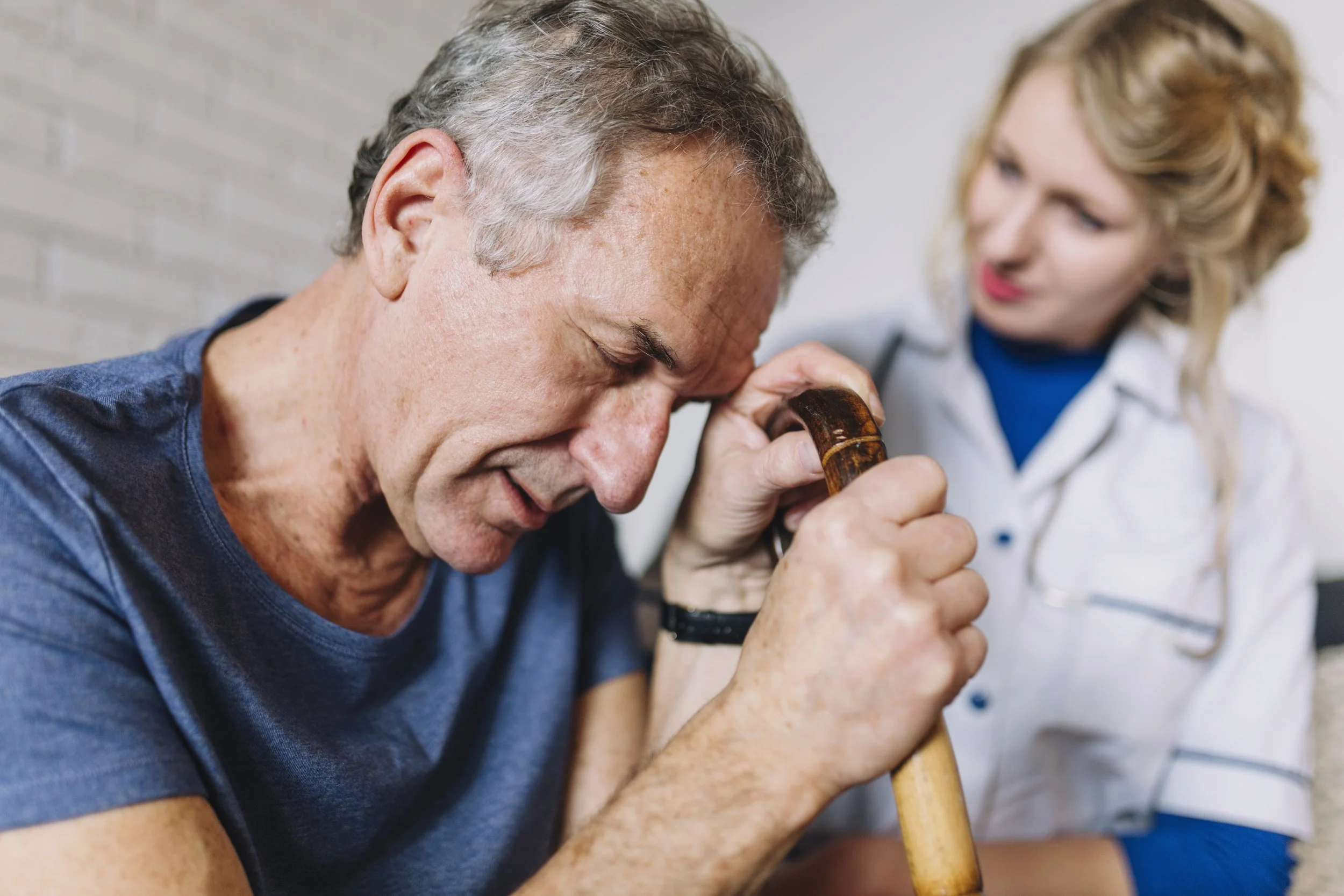
Many of us know someone whose life changed in an instant because of a stroke. A parent who suddenly couldn’t find her words. A husband whose right arm stopped working at the breakfast table. What’s less well known is that up to 80 [1] percent of first strokes may be preventable. The habits that lower your risk are mostly small, daily ones, and it’s never too late to start them.
What is a stroke?
A stroke happens when blood flow to part of the brain is interrupted, and brain cells begin to lose the oxygen they need. There are two main types. An ischemic stroke is caused by a blocked blood vessel, and it’s the more common kind, making up the large majority of all strokes. A hemorrhagic stroke happens when a vessel in or around the brain bleeds. A third event, a transient ischemic attack (TIA or “mini-stroke”), causes temporary symptoms and is a warning sign for a stroke.
What causes a stroke?
Several risk factors raise the odds, and many of them overlap: high blood pressure, diabetes, and high cholesterol are the big ones. Smoking almost doubles the risk of an ischemic stroke. A heart rhythm problem called atrial fibrillation matters too, and we’ll come back to it below. Age and family history also play a role, and those we can’t change. But the list of things we can change is long, and that’s where the opportunity is.
Our Recommendations
1. Keep an eye on your blood pressure
This is the single most important number to know. Nearly half [2] of American adults have high blood pressure, and untreated high blood pressure is one of the most common causes of stroke. The tricky part is that it usually causes no symptoms, so a reading is the only way to find out.
Have your blood pressure checked at every doctor visit, and consider a home monitor if your doctor recommends one
Take blood pressure medication exactly as prescribed, even on days you feel fine
Keep a written log of readings to bring to appointments
2. Move a little every day
Health organizations generally suggest about 150 [3] minutes of moderate activity a week. That can be a brisk walk around the block, gardening, swimming, or dancing in the kitchen. Ten minutes at a time counts.
3. Choose foods that are good for your heart and brain
Fill your plate with vegetables, fruit, whole grains, beans, fish, and nuts. Go easy on salt, processed foods, and sugary drinks. Reading labels for sodium is a simple place to start
4. Stop smoking, or don't start
Smoking raises stroke risk, and quitting helps at any age. Your doctor can point you to programs and tools that make it easier.
5. Limit alcohol
If you drink, keep it modest, and check with your doctor about what's safe given your health and medications.
6. Manage other health conditions
Diabetes, high cholesterol, and an irregular heartbeat called atrial fibrillation all raise stroke risk. Keep up with your appointments and your medications.
7. Protect your sleep
Ongoing poor sleep, including untreated sleep apnea, is linked to a higher risk. If you snore loudly or wake up exhausted, mention it to your doctor.
8. Make room for stress relief and connection
Time with friends, hobbies you enjoy, and a few quiet minutes in your day are good for your health in more ways than one.
Always talk with your doctor before starting a new exercise routine or changing your diet, especially if you take medication or have a health condition.
Know the warning signs
Prevention matters, but so does knowing what a stroke looks like. Acting fast can limit the damage. A simple way to remember the signs is BE FAST:
Balance: sudden loss of balance or coordination
Eyes: sudden trouble seeing in one or both eyes
Face: one side of the face droops when the person smiles
Arm: one arm is weak or drifts downward when raised
Speech: slurred speech, trouble finding words, or difficulty understanding others
Time: call 911 right away and note when the symptoms started
Speech and language changes are easy to brush off as tiredness or stress. If someone suddenly can't get their words out or can't make sense of what you're saying, don't wait to see if it passes.
How we can help
At AASLC, we work with adults whose speech, language, memory, or swallowing have been affected by a stroke. We also see how much a prepared, informed family can do. Knowing the warning signs, supporting healthy routines, and speaking up about changes you notice can protect the person you care about.
*References:
American Heart Association. (2024, October 21). New guideline: Preventing a first stroke may be possible with screening, lifestyle changes [Press release]. https://newsroom.heart.org/news/new-guideline-preventing-a-first-stroke-may-be-possible-with-screening-lifestyle-changes
American Heart Association. (n.d.). High blood pressure: Why it’s called the Silent Killer. https://www.heart.org/en/health-topics/house-calls/high-blood-pressure-the-silent-killer
American Heart Association. (2024, January 19). American Heart Association recommendations for physical activity in adults and kids. https://www.heart.org/en/healthy-living/exercise-and-physical-activity/fitness-basics/aha-recs-for-physical-activity-in-adults